
Work
Work that shows how Figura thinks and implements.
These accounts show how Figura has worked on the operating questions around emerging technology in apparel and home retail.
Some of the work here is current. Some comes from earlier technology implementation.
The technology changes. The implementation questions are often more durable.
Current work
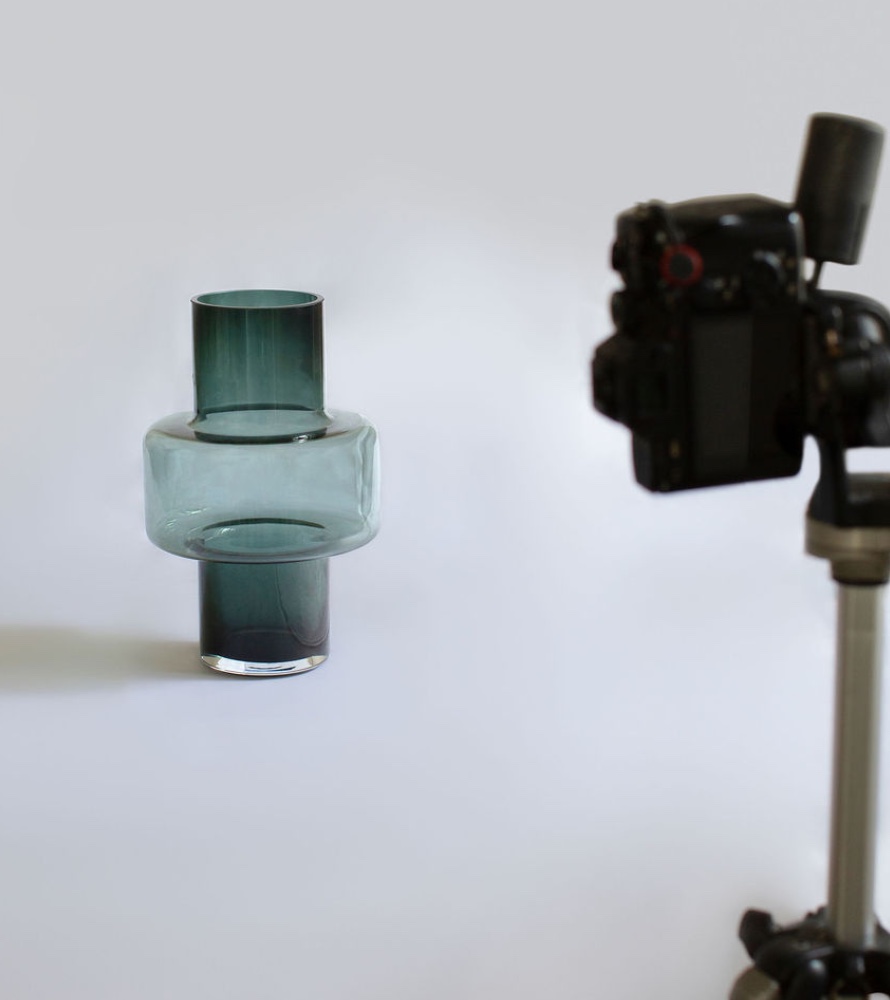
Changing the route into e-commerce imagery.
The earlier route depended on a physical sample reaching the retailer, being prepared and then photographed in the retailer's professional studio before image production could continue.
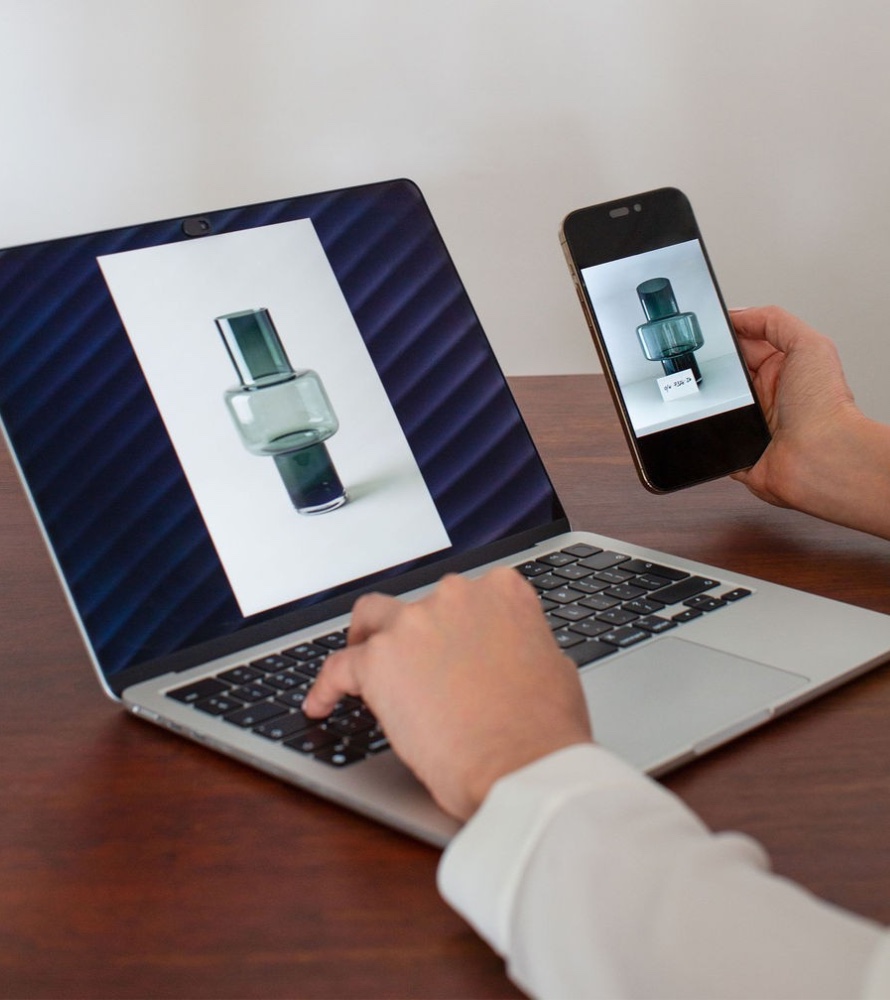
Figura helped establish a changed route beginning with an ordinary supplier photograph taken on a smartphone in the factory or supplier showroom. The buyer confirms the product, and the photograph is checked to ensure it provides a suitable reference for AI-assisted e-commerce image development. Where necessary, clarification or another photograph is requested before development begins.
This route can reduce the number of samples transported and managed across locations, reducing handling and the associated risk of breakage. It also allows greater flexibility in image-production timing by reducing dependence on a sample reaching the retailer's studio.
The change is therefore not only in how an image is generated. It also addresses the movement and handling of samples and the timing constraints around image production.
Earlier route
Changed operating route
Current work
AI use moving into real design work.
In a fashion brand, textile and graphic print development moved from an initial brief or trend inspiration through AI-assisted design development and into production-ready CAD execution.
The difficulty was not producing an isolated AI result. It was making the AI-supported steps fit the brand’s distinctive visual style and the design sequence well enough for designers and suppliers to continue working with the outputs.
Figura helped shape the method around that progression, helping the team select suitable tools and providing training and workflow development. This moved the activity beyond initial enablement or a demonstration of what the technology could produce.
Earlier implementation
Implementing a 3D product development programme across retailer and supplier teams.
In one earlier apparel-retail 3D product development programme, the new capability had to operate across retailer functions and suppliers rather than inside one technical team. Participants were at different stages of readiness, so implementation required clear responsibilities, shared standards and recurring approval routines.
Figura worked on that organisational layer: connecting retailer and supplier participation, defining who was responsible for what and staging readiness so that the operating routines could work across the programme.
Earlier implementation
Connecting 3D products with e-commerce work.
In another earlier implementation, 3D and virtual-product activity needed to connect with product information, approval points, the surrounding workflow and live e-commerce use rather than end with the creation of a digital product.
Figura helped place the technical activity inside those flows, connecting the 3D or virtual-product work with the information needed downstream, the relevant approvals and the way the work reached e-commerce.
The 3D and virtual-product work became part of the live e-commerce workflow.
Different technology. Familiar implementation questions.
If your organisation has moved beyond asking whether a technology can work and is now dealing with quality, workflow, adoption or operating complexity around it, Figura may be useful.
You do not need to find a case here that exactly matches your situation.